

War affects every aspect of people’s lives and health. When conflict erupts, civilians are at immediate risk of injury or death, but they also face displacement, scarce resources, and challenges accessing essential services.
About a third of Doctors Without Borders/Médecins Sans Frontières (MSF) projects around the world are dedicated to helping people affected by armed conflict. From Ukraine to Sudan, Haiti to Palestine, each setting has its own dynamics, risks, and challenges that require MSF teams to continually adapt to meet changing needs and stay safe. Moving from facility to facility to avoid attacks, receiving sudden influxes of mass casualties, facing supply shortages, and responding to waves of population displacement are just a few of the challenges our teams confront.
Lebanon
“Our teams are living the same reality as the people they are treating”
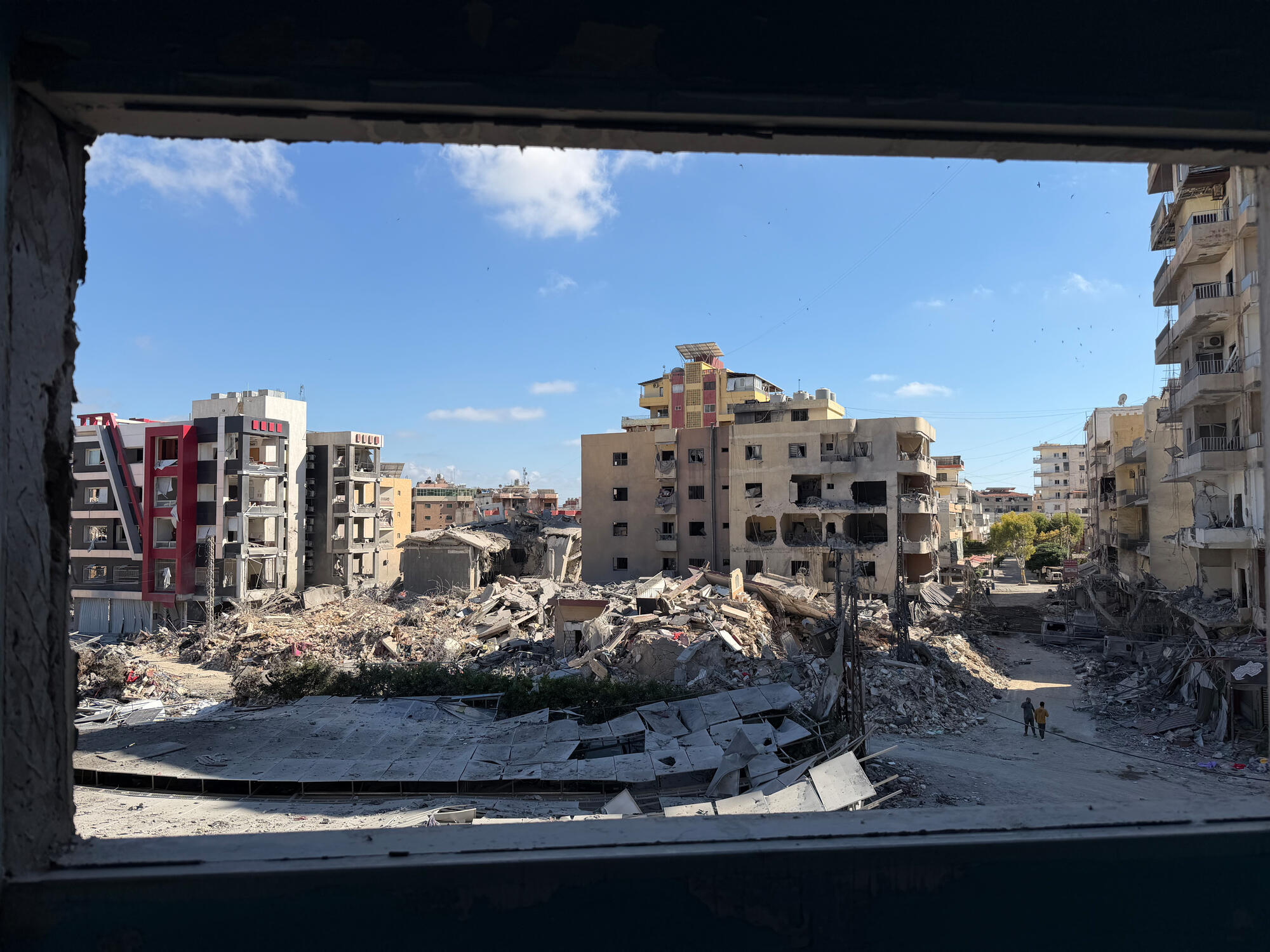
The sharp escalation of conflict across the Middle East this year has caused thousands of deaths, injuries, and widespread destruction. While most of the media focus has been on the US-Israeli war with Iran, violence has also flared in Lebanon. The long-running conflict between Israel and Hezbollah forces in Lebanon intensified starting on March 2, with more than 1 million people displaced by Israeli attacks and blanket evacuation orders over a matter of weeks.
A temporary ceasefire announced in mid-April brought some relief. However, the situation remained uncertain as this issue went to press. MSF has launched a nationwide emergency response in Lebanon while adapting existing projects to ensure continuity of care. This interview with Dr. Luna Hammad was conducted in March.
Dr. Luna Hammad
Dr. Luna Hammad: What is very specific to this conflict is that it happened very fast. The crisis spread across the whole country within days — it started with an escalation in the south and became a nationwide crisis. Overnight, we saw people moving from the south to Beirut, Mount Lebanon, and Bekaa, and suddenly the pressure shifted to areas that were not affected initially. A very small portion of displaced people — less than 10 percent — are in official shelters, while the majority are scattered, and that makes it very difficult.
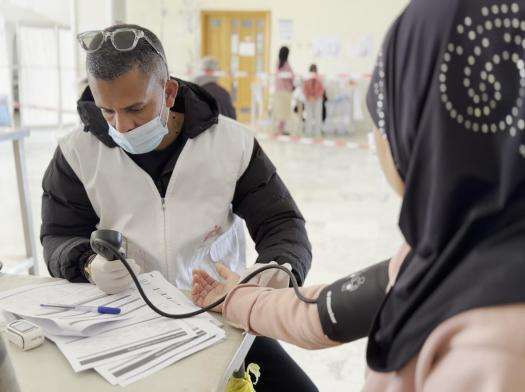
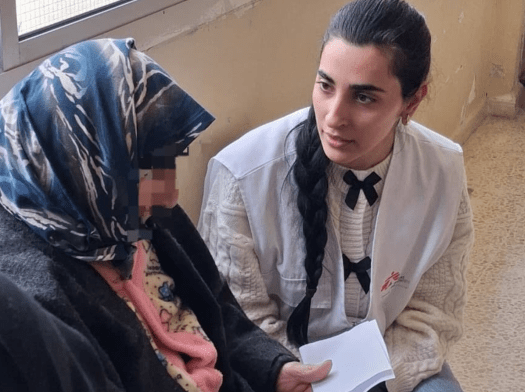
From left: A patient is assessed by a member of MSF’s mobile clinic team in the southern city of Saida. Between March and May, MSF provided 35,000 medical consultations; an MSF team member speaks with a woman in Beirut, where MSF teams run mobile clinics and support hospitals, including in mass casualty response. 2026 © MSF
LH: We don’t start from zero when there is an escalation. We already have an emergency preparedness strategy that allows us to react quickly and in a structured way. We work on different scenarios, triggers, and thresholds, so when the situation escalates, we activate specific components rather than building a response from scratch.
At the same time, we continuously reassess the situation — population movements, hospital capacities, and gaps in care — and we adjust our response accordingly. So the key is not only speed, but also having a structured, flexible system that allows us to scale up in the right place and at the right time.
LH: Our teams are living the same reality as the people they are treating. You have staff coming to work after moving their families overnight, not knowing if their homes are still intact. Some are hosting relatives or friends displaced from southern Lebanon in their homes. Others are commuting through difficult conditions just to reach the clinics or the office or the mobile clinic teams. And still, they show up.
There is a lot of fatigue — physical and emotional — but also a very strong sense of duty. People feel responsible for their communities. At the same time, there’s a lot of solidarity within the teams. People check on each other constantly; they share information and support each other.
What is always striking is how our team adapts. How we keep things agile is really amazing and inspiring. It reminds you that in this kind of context, what matters is continuity — being present and making sure that the care doesn’t stop, even in the middle of everything that is happening.
MSF in Lebanon
Within the first days of our emergency response, MSF teams began distributing essential relief items to displaced people, including blankets, hygiene kits, and drinking water. As of May 2, MSF has distributed more than 9.8 million gallons of water. We have conducted 35,000 medical consultations and provided mental health support to 26,000 people. We run 25 mobile medical units, providing primary health care, medications for chronic diseases, and sexual and reproductive health services.
Ukraine
“I find motivation and inspiration in our Ukrainian colleagues”
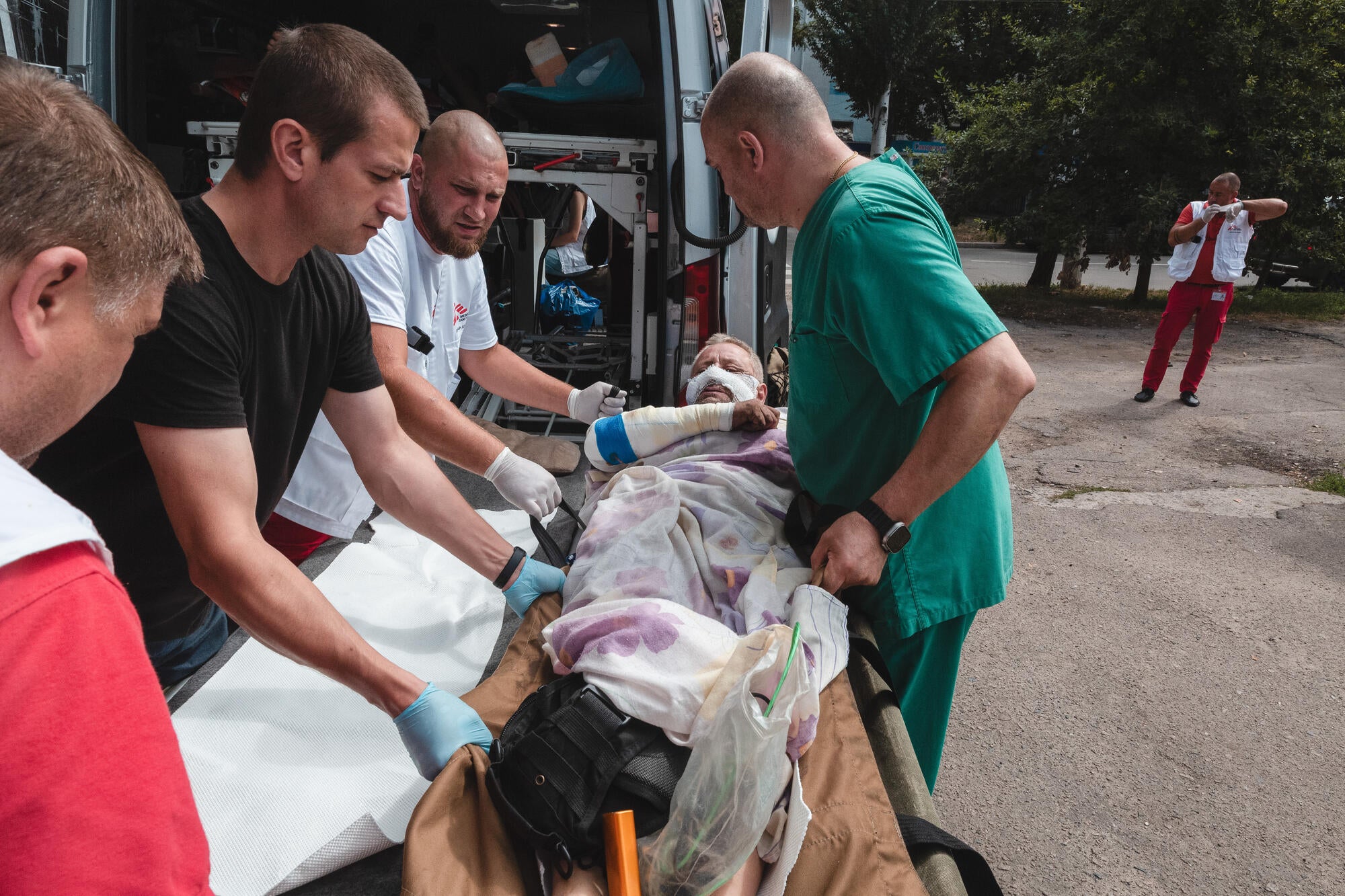
In the four years since Russia launched its full-scale invasion of Ukraine, millions of people have been displaced, tens of thousands have been injured or killed, and the health system has been severely weakened. Today, the war continues to affect every aspect of life, with ongoing attacks and 4.6 million people internally displaced, many living in shelters set up in former schools, train stations, and other public spaces. The health impacts of the war have been dire, including the disruption of care for people with chronic conditions and an increased need for mental health support.
Robin Meldrum
Robin Meldrum: Hospitals and primary health care centers are struggling to cope with enormously depleted staff numbers. One general hospital we were supporting near the front line in the east had no surgeon until MSF proposed to embed a medical team. Over 12 months, our team performed or assisted 452 surgeries in this hospital, until the front line and artillery shelling got too close and we had to withdraw and start supporting another hospital farther from the active combat area.
RM: The patients we treat are an indicator of how civilians are impacted. Pretty much every village you go to in the 30-mile zone from the front lines has some civilians who have remained, usually older people who have lived there all their lives. Many have chronic medical conditions, and the primary health care options that they would normally rely on have been reduced or sometimes completely disappeared.
We try to reach as many of these communities as possible with mobile clinics, but we see far too many elderly patients arriving in a critically sick condition after missing out on their regular treatment plans for hypertension, diabetes, or other conditions that should be easily manageable.
RM: Last winter was the coldest Ukraine has experienced in years. I had to move into a colleague’s apartment because I had no running water, no flushing toilet, very intermittent heating, and sometimes only two or three hours of electricity per day. I would often wake up in a room that was around 37 degrees Fahrenheit — the temperature inside a fridge. Now spring is here, so the cold is less of an issue — but attacks on cities go on, infrastructure necessary for basic living conditions continues to be destroyed, and civilian areas are still being struck by drones or missiles.
RM: A potential attack is never more than 10 or 15 minutes away, and this threat is ever-present, 24 hours a day, seven days a week. This risk is more present in our locations closer to front lines. Our teams are well-drilled on how to react, and they go to the safe basement shelter whenever there is an increased risk.
RM: Everybody has their own ways of coping. I try to appreciate little moments of beauty and normality. But above all, I find motivation and inspiration in our Ukrainian colleagues. Nobody I know here is free of mental and emotional scars, but the determination and commitment they show every day, arriving in the morning mustering all their energy to do their job — is an extraordinary source of inspiration.
MSF in Ukraine
MSF has been on the ground in Ukraine throughout the war, providing medical care and humanitarian assistance including emergency and intensive care, ambulance referrals, and rehabilitation. Since 1999, we have provided primary and mental health care, as well as treatment for drug-resistant tuberculosis (TB), hepatitis C, and HIV/ AIDS, among other services.
Haiti
“We saw injuries we hadn’t seen before”
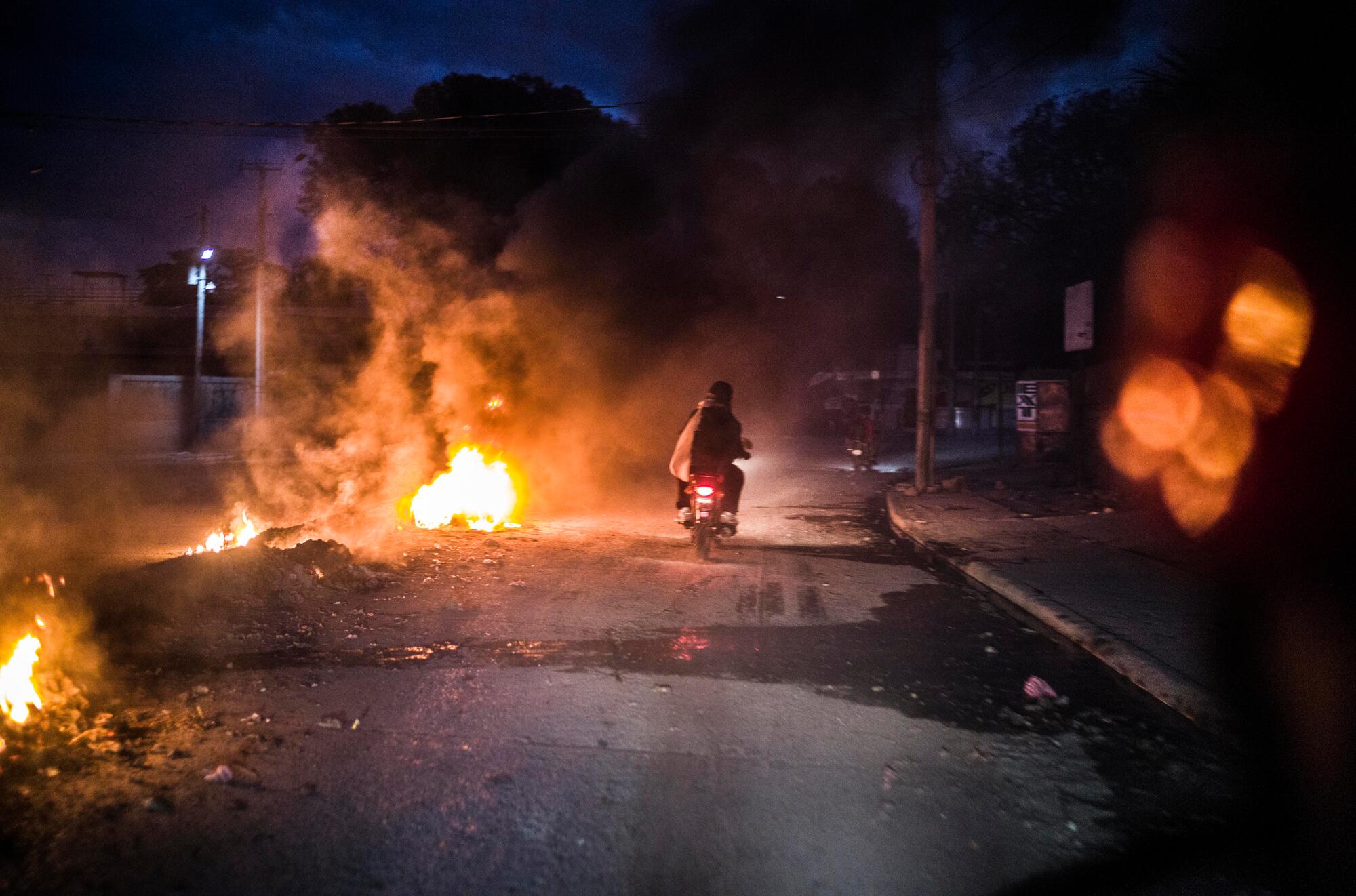
On the streets of Port-au-Prince, Haiti, conflict between armed groups and government forces has effectively turned neighborhoods into battlegrounds, with civilians caught in the crossfire. Many people are cut off from health care due to the widespread closure of health facilities, lack of medical supplies, and movement restrictions that trap people in areas often lacking necessities like safe water. Sexual violence has become increasingly common as a weapon of control, punishment, and extortion.
MSF is one of the few humanitarian organizations working in areas of Port-au-Prince controlled by armed groups.
Diana Manilla Arroyo
Diana Manilla Arroyo: The fact that it’s in an urban setting represents many challenges in terms of our ability to move from point A to point B. It can take a long time for us to move and there are increased risks in simply going to work. We have to go around the contested zones, which means it takes more time to reach patients. It also makes referrals more challenging — for example, getting to a hospital may require exiting areas controlled by armed groups and entering state-controlled areas.
There is no physical marker to indicate that an area of control is changing, but you will suddenly see the presence of armed men. So the travel routes change day to day.
DMA: All of our cars have a GPS system, and we have a radio room that monitors every single movement. So wherever we go, even if it’s just around the corner, every movement must be reported to the radio room. We also communicate the movements of our personnel and patients to make sure we aren’t affected by active combat and that we are notified if it comes close to our facility.
DMA: The most important change has been the introduction of drones, which is something that didn’t exist before. In one incident, a drone was targeting the leader of an armed group during a birthday party, and we received many injured patients right after the incident. Testimonies from the medical team were really, really harrowing — we saw injuries we hadn’t seen before, resulting from the impact of drones.
DMA: People living in areas that are controlled by armed groups have no choice. It’s not that they want to stay there. No one wants to stay in an area that has no potable water, no public or private education, no sanitation system. But they have no choice.
A former MSF colleague was injured in the fighting and tried to go to our clinic for emergency care. But a drone had hit the clinic, so our nurses were taking cover in the safe room. He died at the door. We could have saved his life.
MSF in Haiti
MSF teams in Haiti provide lifesaving treatment for patients with trauma and burns, as well as comprehensive care for victims of sexual violence and maternal and neonatal care. We run health facilities including Tabarre Trauma Hospital, Drouillard Hospital, and Pran Men’m Clinic, among others, and operate mobile clinics to reach people in neighborhoods cut off by violence.
Gaza
“A part of his childhood will always carry the scars of what happened”

The October 2025 ceasefire in Gaza did not end the suffering of Palestinians: Israeli attacks have continued, killing hundreds, while people are still living amid rubble without sufficient access to water, medical care, and other basic needs for survival. MSF has played a vital role in delivering medical care and humanitarian aid in Gaza. However, all MSF international staff were forced to leave by the end of February 2026 following a decision by Israeli authorities to ban 37 aid organizations from working in Palestine. We remain committed to providing assistance in the occupied territory for as long as possible with our Palestinian staff.
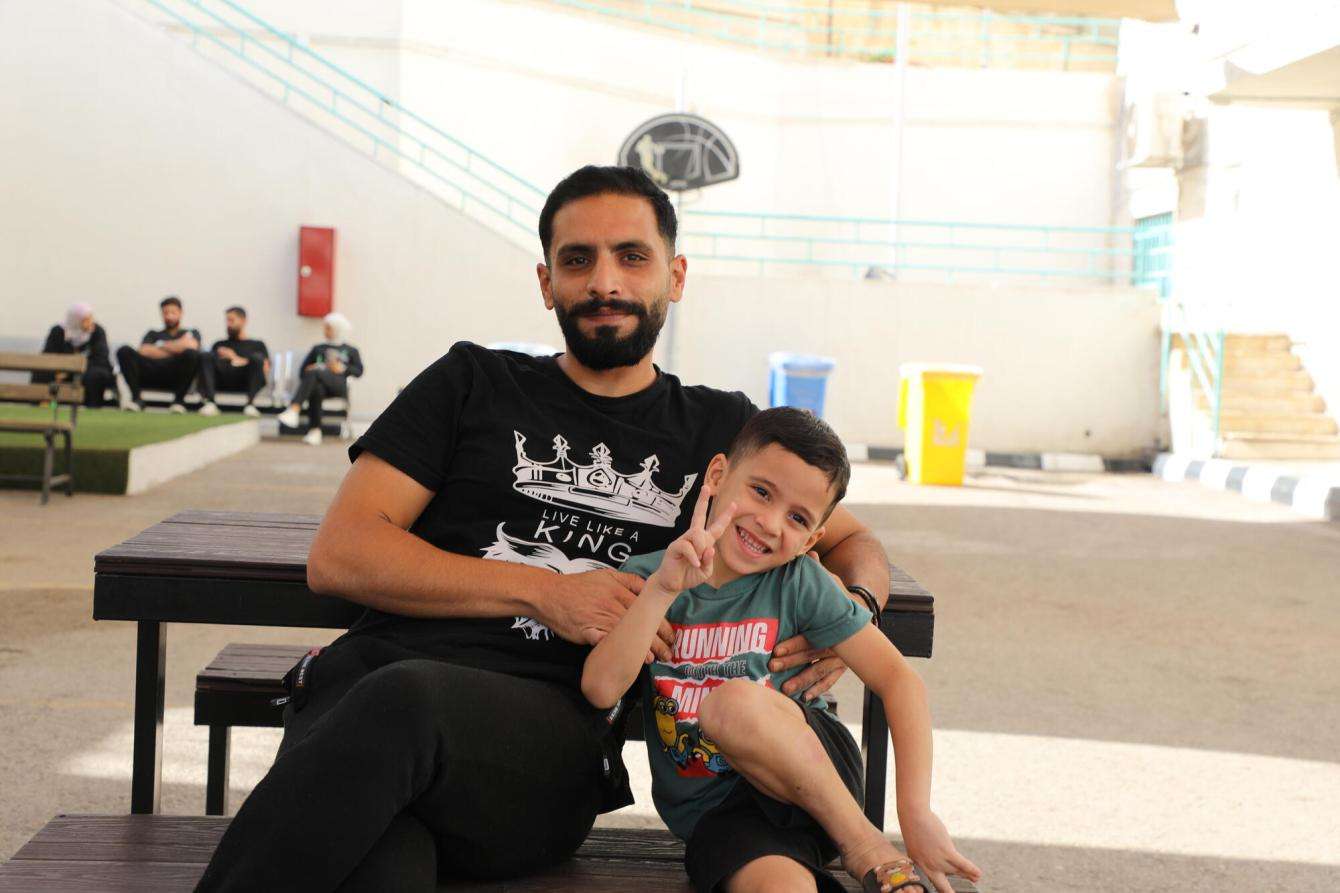
Among our locally hired colleagues is Mohammad Al Hawajri, an MSF operating theater nurse whose 5-year-old son, mar, was medically evacuated after being injured in an Israeli airstrike. Mohammad accompanied Omar to Jordan, where he is receiving treatment at MSF’s reconstructive surgery hospital in Amman.
Mohammad Al Hawajri
Mohammad Al Hawajri: Days after the war broke out, Israel ordered about half of the entire population to flee to the south. We stayed in the north and moved to the nearest MSF office, where many staff and their families had gathered.
MSF tried to arrange safe passage for staff during brief windows permitted by Israeli forces. We set off in a convoy of cars carrying staff and their families. But the window closed before we could cross to the south, and we were forced to turn back to Gaza City. As our convoy, which was clearly marked with MSF logos, turned back toward the clinic, gunfire suddenly erupted.
In the chaos, Alaa Al-Shawa, a volunteer emergency nurse, was shot in the head while holding my children. He died instantly.
My children remember that day as if it were yesterday — the gunfire coming from so many directions that it was impossible to tell where it began, the bullet that passed just above their heads, and the killing of our colleague and friend whom they loved deeply.
MAH: On June 27, 2025, an airstrike hit the street beside our home. Omar was standing by the door when a piece of shrapnel tore through his leg. He was already weakened by months of fear and hunger. In Gaza, he underwent several surgeries in unbearable conditions, amid starvation and soaring prices of food and medicine that we could no longer afford or access under the Israeli siege.
Six weeks later, our colleagues managed to transfer us to MSF’s reconstructive surgery hospital in Jordan. By then, Omar was malnourished, and his siblings were dangerously underweight.
Here in Amman, he has undergone additional surgeries and received mental health care. He can now stand, play, and just be a child again. Watching him take those first steps toward recovery reminds us that even after everything, life can begin again.
But no matter how much care he receives, a part of his childhood will always carry the scars of what happened — a genocide that we still struggle to believe was allowed to happen to us, to our children, and to the land we love so deeply.
MSF in Gaza
Our services include treatment for burns and injuries caused by explosives, maternal and pediatric care, malnutrition screening and treatment, care for people with chronic diseases, and other much-needed care. In 2025, we supported 1 in 5 hospital beds across the Strip, assisted 1 in 3 births, and distributed over 1 million gallons of water per day.
Sudan
“We stayed because patients kept coming”
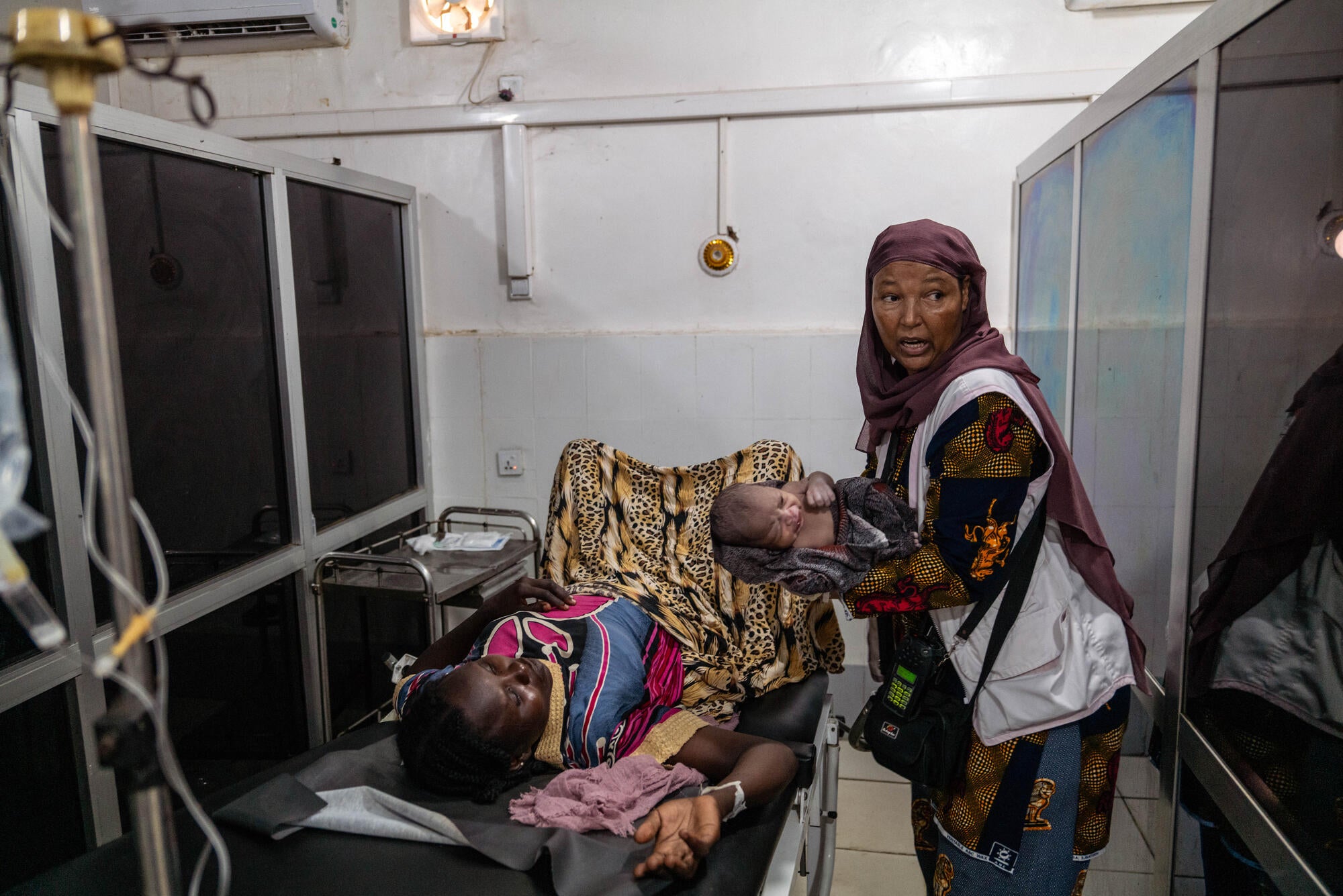
As Sudan marks its third year of devastating war, MSF teams have observed rampant violence, widespread impunity, and constrained humanitarian access amid a collapsing health system. The confrontation between the Sudanese Armed Forces (SAF) and the Rapid Support Forces (RSF) has systematically dismantled the essential services people rely on — including health care, protection, food security, and basic safety. Dr. Jamila*, a Sudanese physician working with MSF in Khartoum, shares her story below.
Dr. Jamila*
Dr. Jamila: On April 15, 2023, I went to work as usual. By 9 a.m., everything had changed.
I was standing by a window at the central ambulance base in Bahari, northern Khartoum, when I saw people running. Then came the sound — explosions, heavy gunfire. A building in front of us was bombed, and within minutes, neighbors were carrying the wounded in their arms, shouting for help.
Inside, the phones began to ring. And they didn’t stop.
“Please come.” “He’s bleeding.” “She’s dying.”
We tried. But we couldn’t move a single ambulance. The streets had already become too dangerous. With clashes erupting unpredictably, any movement meant risking all of our lives.
Hours later, some of those same voices called back.
Don’t come anymore,” they said. “He died.”
There is something inside you that breaks in that moment. Because you are a doctor. And suddenly, you cannot reach the people who need you most.
After I evacuated, I spent a week in Omdurman. It was Eid. There was a temporary ceasefire. For a brief moment, people tried to hold on to something like normal life. But even then, we knew it would not last. We stayed in touch, calling each other, returning again and again to the same question: If hospitals are closed, and ambulances cannot move, what happens to the next person who is injured?
So we made a decision. We would go back.
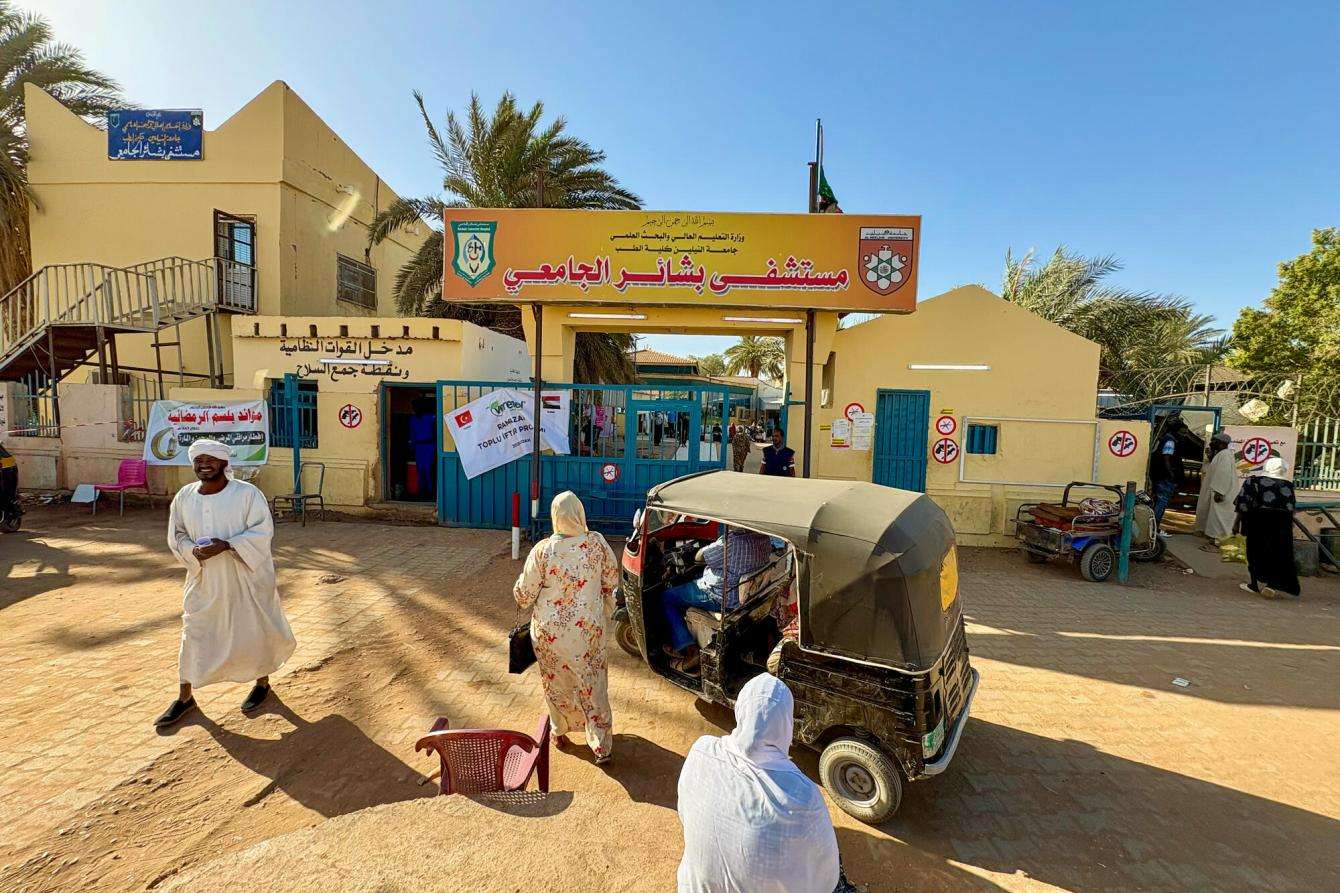
We would reopen Bashair Teaching Hospital, bringing together medical staff who were still nearby and restart services, even in a limited way.
We began with almost nothing. A few doctors. A few surgeons. Nurses. Volunteers. It was the only functioning hospital in the area.
We focused on trauma — gunshot wounds, blast injuries. Victims of the war. The hospital was no longer just a workplace. It was a lifeline.
We told ourselves something simple: If we die, we die with dignity. It was not courage. It was acceptance.
For weeks, we held everything together by improvising, stretching supplies, making impossible choices. Then, MSF teams came to support the hospital. Slowly, something began to shift. The risks didn’t disappear. The war didn’t stop. But we were no longer completely alone — and that changed what was possible.
Jamila: One day, amid the chaos, a pregnant woman arrived in labor.
We had no maternity services. No preparation. She gave birth in the emergency surgical room. In the middle of war, a child was born. For a moment, everything softened. We smiled. We remembered what life feels like. Because sometimes, in the middle of everything, life still finds a way.
MSF in Sudan
Our teams in Sudan are providing trauma and surgical care, malnutrition treatment, care for survivors of sexual violence, vaccinations, mental health support, maternal and pediatric care, and other lifesaving services. We also support water and sanitation in displacement camps through the construction of borehole wells and latrines, as well as water distribution

More from this issue of Alert
June 22 04:23 PM
How MSF maintains a cold chain for supplies
Interview with Heritier Kamuha, MSF logistics manager, and Socrates Makombo, MSF logistics supervisor
Read more
June 22 02:43 PM
How portable technology is saving mothers’ lives in Yemen
Interview with Samah, MSF midwife activity manager
Read more
June 22 05:56 PM
How MSF supports health workers
Interview with Rahma Borgi, MSF staff psychologist
Read more
June 22 06:07 PM
How MSF works with families and communities during humanitarian emergencies
Interview with Mary Jo Frawley, MSF nurse
Read more
News Nov 05, 2026
Aid funding cuts raise health risks for displaced people in South Suda...
Read more