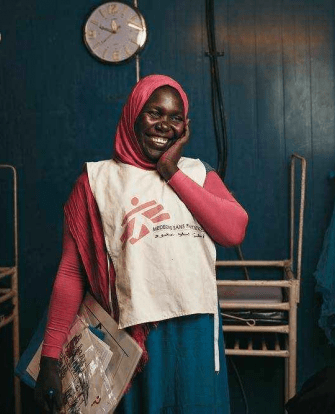
South Sudan is one of the most dangerous places in the world for humanitarian workers. MSF staff have been killed in their communities during intercommunal conflicts, and we have had to suspend activities in some locations following attacks.

South Sudan 2026 © Isaac Buay/MSF
South Sudan
Addressing needs driven by cycles of violence, extreme flooding, and the arrival of hundreds of thousands of refugees and returnees from the Sudan conflict
Update
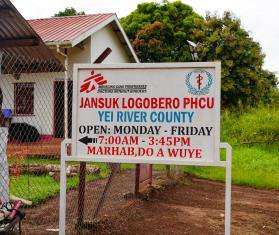
MSF suspends activities in Yei River County after staff abduction
November 23, 2026 — A Doctors Without Borders/Médecins Sans Frontières (MSF) staff member and a Ministry of Health midwife in South Sudan’s Yei River County, Central Equatoria state, were abducted by armed assailants on Thursday, November 12. Thankfully both staff members were released unharmed on November 14, however this incident highlights the continuation of violence against health care workers in South Sudan.
MSF has suspended all of its activities in Yei River County for a minimum of three months starting on November 17.

Our work in South Sudan
In South Sudan, Doctors Without Borders/Médecins Sans Frontières (MSF) teams are responding to the dire humanitarian consequences of widespread violence and insecurity, recurrent disease outbreaks, and ongoing population displacement.

What's happening in South Sudan?
People in South Sudan continue to experience the effects of ongoing conflict, displacement, recurrent floods, and disease outbreaks. All these issues are compounded by a marked decrease in international funding for humanitarian and development programs, and the precarious state of the national health care system.
Rising political tensions and increasing violence have further restricted people’s access to medical care and other essential services.
How we're helping in South Sudan
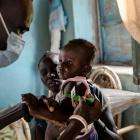
Our teams in South Sudan respond to outbreaks of diseases like cholera, malaria, and measles; support refugees and returnees fleeing war in Sudan; and help to fill critical gaps in health care, including maternal health and malnutrition treatment. We offer treatment for acute and chronic diseases, obstetric complications, violence-related injuries, mental health, and other health conditions.
Keeping Doctors Without Borders staff and patients safe in South Sudan
Working in conflict settings like South Sudan brings inherent risks to the safety and security of both MSF staff and patients. MSF does its utmost to mitigate these risks through comprehensive security management, which includes the following measures:
- Establishing strict, detailed safety regulations and security plans based on thorough analysis of the specific context
- Continuously monitoring risks and updating safety regulations as needed
- Enforcing security rules and regulations among MSF staff
Learn more about how MSF operates in conflict zones >
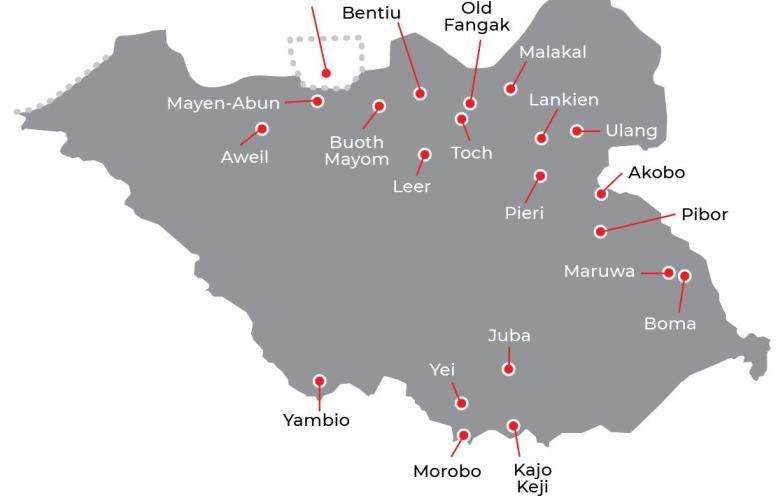
How we're helping
663,900
Outpatient consultations
236,400
Malaria cases treated
162,900
Routine vaccinations
91,400
Patients admitted to hospitals
27,600
People treated for cholera
11,200
Surgical interventions
*Data from MSF International Activity Report 2025
More news and stories
Learn about MSF’s journalistic roots and our commitment to bear witness and speak out about the plight of the people we treat.
News Nov 23, 2026
South Sudan: MSF suspends activities in Yei River County after staff a...
Read more
News Nov 05, 2026
Aid funding cuts raise health risks for displaced people in South Suda...
Read more
Learn about MSF’s journalistic roots and our commitment to bear witness and speak out about the plight of the people we treat.
How you can help
Not everyone can treat patients in the field. But everyone can do something.
Some humanitarian crises make the headlines—others don’t. Unrestricted support from our donors allows us to mobilize quickly and efficiently to provide lifesaving medical care to the people who need it most, whether those needs are in the spotlight or not. And your donation is 100 percent tax-deductible.