Attacks can include airstrikes, shelling, looting, armed incursions, as well as the obstruction of ambulances. Here are some examples of attacks on facilities MSF runs or supports:
Looting
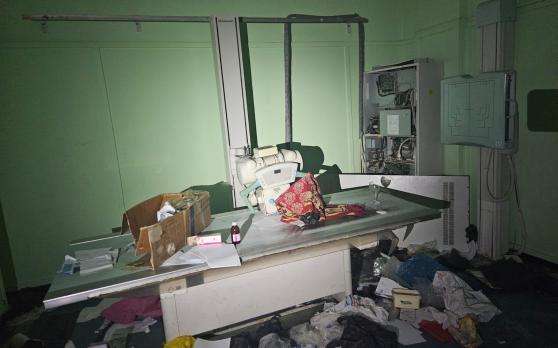
There have been 13 incidents of looting since 2016, including of hospitals and warehouses where MSF stores vital supplies. In some cases, medical supplies and equipment have been stolen, hindering MSF’s ability to provide care.
On March 7, 2026, the MSF team in Akobo, South Sudan, were forced to evacuate the town after Akobo Hospital was looted, as well as our pharmacy. The looting resulted in the loss of all medicines and medical supplies.
Airstrikes and shelling
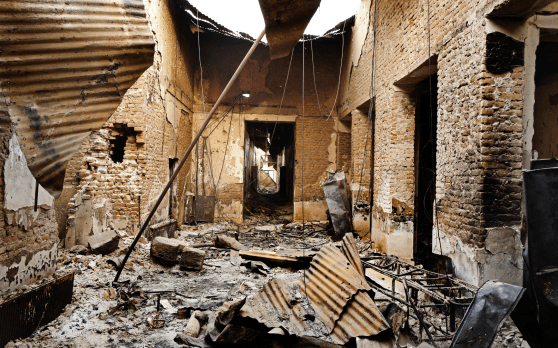
Airstrikes or shelling account for a large portion of the 107 attacks that impacted MSF operations from 2016 to 2026. These attacks have left health facilities severely damaged or destroyed altogether. This can have a devastating impact on communities with few medical facilities — or none at all — by further jeopardizing access to care.
Obstruction of ambulances and convoys
Under international humanitarian law, medical transport must be respected and protected by parties to armed conflict. This includes any vehicle exclusively assigned to transport the sick and wounded. Yet a significant number of attacks have targeted ambulances or convoys, including some that have even resulted in the death of patients. MSF has recorded four incidents over the last decade in which a patient was killed or died because the ambulance was prevented from reaching a hospital or was attacked during transit.
Forced intrusions
In numerous instances, armed individuals have entered health facilities and fired upon or assaulted patients and staff. The frequency of armed intrusions and repeated interference with patients and staff highlights a serious erosion of respect for the protection of health care. The presence of weapons in clinical environments places patients and staff at immediate risk and undermines medical neutrality.