Explore the more than 70 countries where MSF works to learn more about the medical humanitarian programs that our teams carry out on a daily basis.

Where we work
Doctors Without Borders/Médecins Sans Frontières (MSF) provides emergency medical aid in countries where conflict, disease outbreaks, malnutrition, and natural disasters put people’s lives at risk.
|
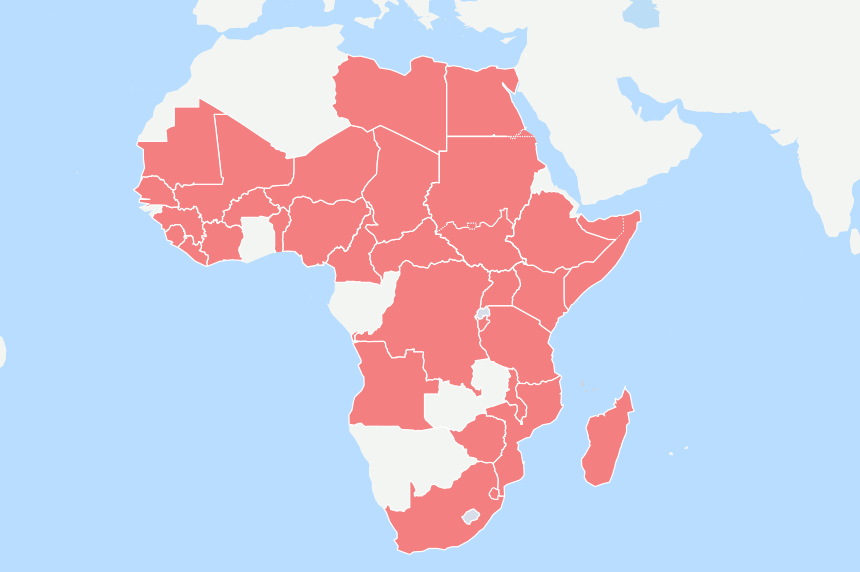
Across Africa, MSF responds to medical and humanitarian needs shaped by conflict, natural disasters, and disease outbreaks, including the Ebola outbreak in DR Congo.
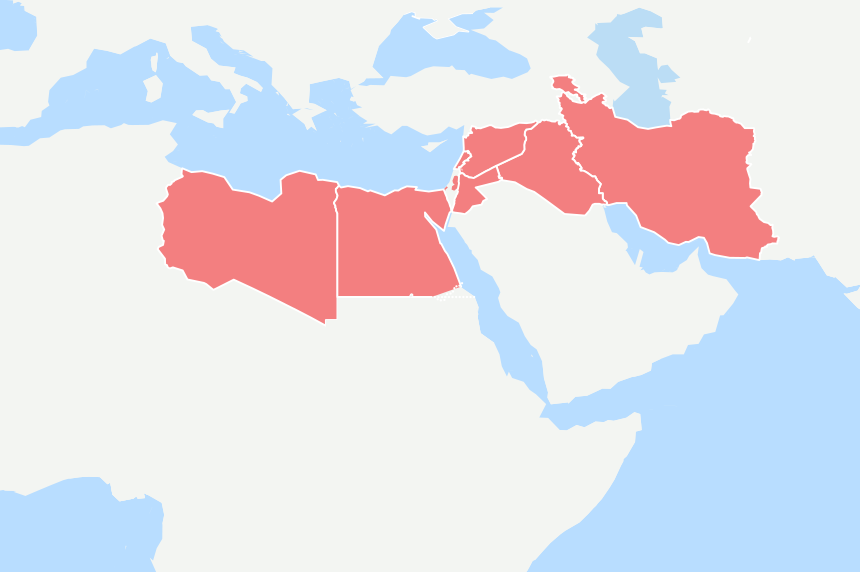
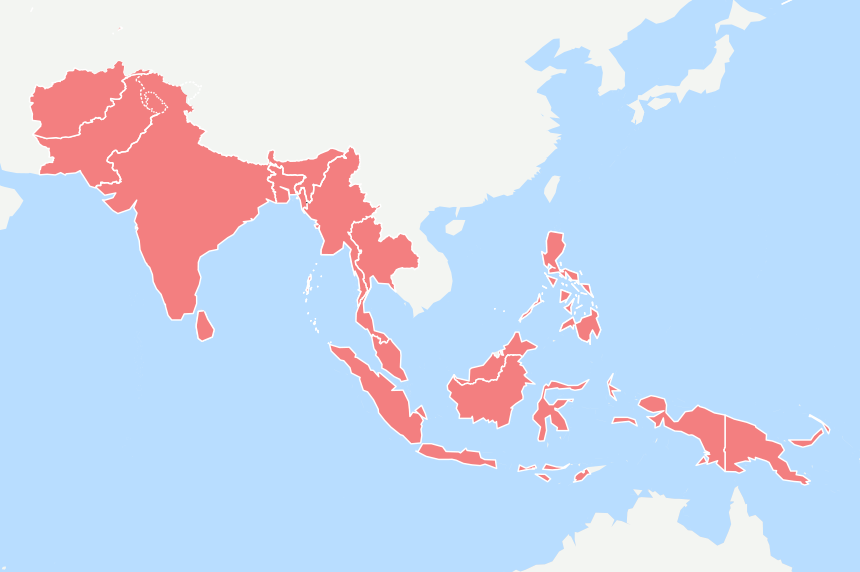
In the Asia Pacific region, MSF works with Rohingya refugees, provides medical aid including TB treatment, and responds to natural disasters including cyclones and earthquakes.
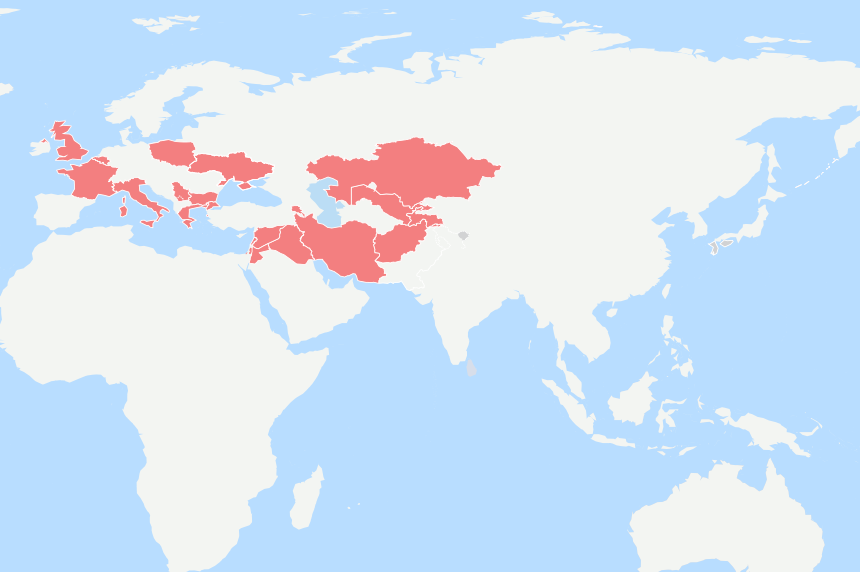
MSF’s work in Europe and Central Asia includes emergency care for people affected by the war in Ukraine, search and rescue in the Central Mediterranean, and medical and mental health care for migrants impacted by exclusionary European policies.
A Global Movement
Since 1971
MSF has grown from a few hundred volunteers to an international movement of 65,000 staff, providing over 17 million medical consultations in more than 70 countries every year. Our core values of humanitarianism, independence, neutrality, and impartiality continue to drive our work.

Palestine
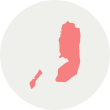
MSF provides lifesaving medical and humanitarian assistance in both Gaza and the West Bank, where humanitarian conditions continue to deteriorate amid ongoing attacks by Israeli forces, movement restrictions, and forcible displacement.

Sudan
Across Sudan, MSF is responding to dire needs driven by the ongoing war, including access to health care for displaced people and nutritional support for children and pregnant and breastfeeding women in Darfur.

Haiti
Amid escalating violence and mass displacement in Port-au-Prince and mass displacement, MSF delivers lifesaving medical and humanitarian support including treatment for trauma and burns, care for victims and survivors of sexual violence, and essential maternal and neonatal care.

Lebanon
Following the escalation of conflict in March, MSF launched a nationwide emergency response in Lebanon, providing medical care and humanitarian aid to people affected by Israeli attacks and forced displacement orders. We support hospitals and run mobile clinics in shelters housing displaced people, including in Beirut and across the hard-hit south of the country.
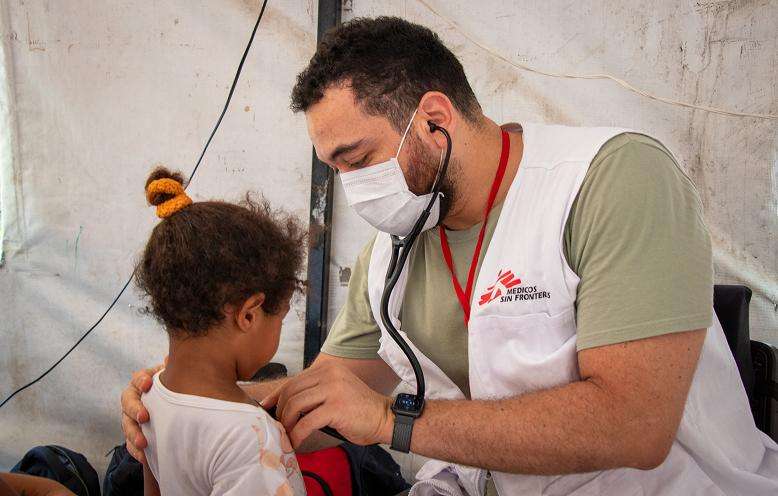
Our impact around the world
70+
Countries and territories where MSF operates medical humanitarian projects
17M+
Medical consultations conducted by our humanitarian teams in 2025
1.77M+
Patients admitted to MSF hospitals and clinics around the world in 2025
*Data from the most recent MSF International Activity Report
MSF offers medical humanitarian assistance to people based solely on need — irrespective of race, religion, gender, or political affiliation. Our teams of doctors, nurses, and other frontline workers are often among the first on the scene when peoples’ lives are upended by conflict, disease outbreaks, or natural disasters.
MSF was founded in 1971, by a small group of doctors and journalists determined to deliver independent, impartial medical aid: something that is more vital today than ever.
FAQs
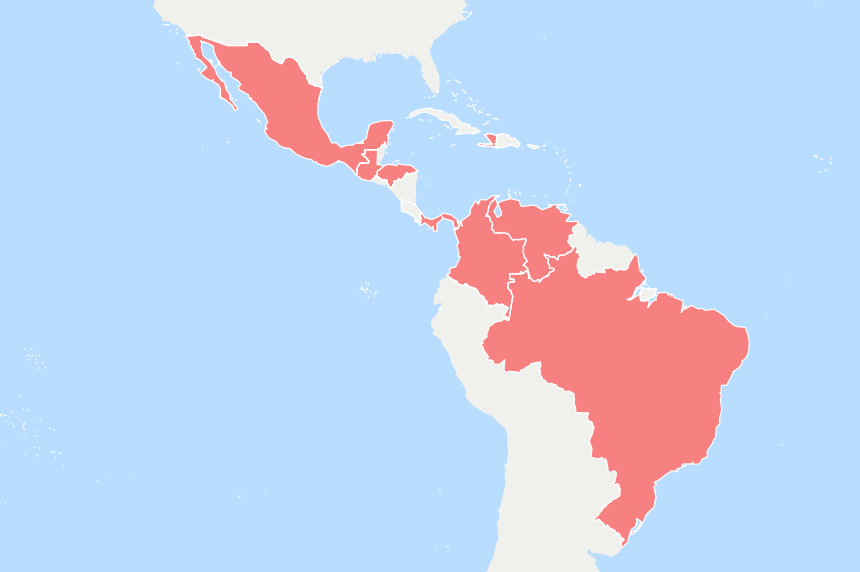
MSF provides medical humanitarian assistance in more than 70 countries across Africa, the Americas, Asia, and Europe.
More than 65,000 people work for MSF across the globe. Over 80 percent of our staff are locally hired, delivering care in the same communities they live in.
MSF does not accept funding from governments. Most of our financial support comes from individual donors and private institutions, ensuring our ability to operate with independence and efficiency. Our independence allows us to provide care to people based solely on need, irrespective of race, religion, gender, or political affiliation. independently.
Over 80 percent of our funding goes directly to our medical humanitarian aid programs. That means that when you give to MSF, you can trust that your donation will have a direct impact on patients in need of care — regardless of race, religion, ethnicity, politics, or income.
Unrestricted support from our donors allows us to mobilize quickly and efficiently to provide lifesaving medical care to the people who need it most.
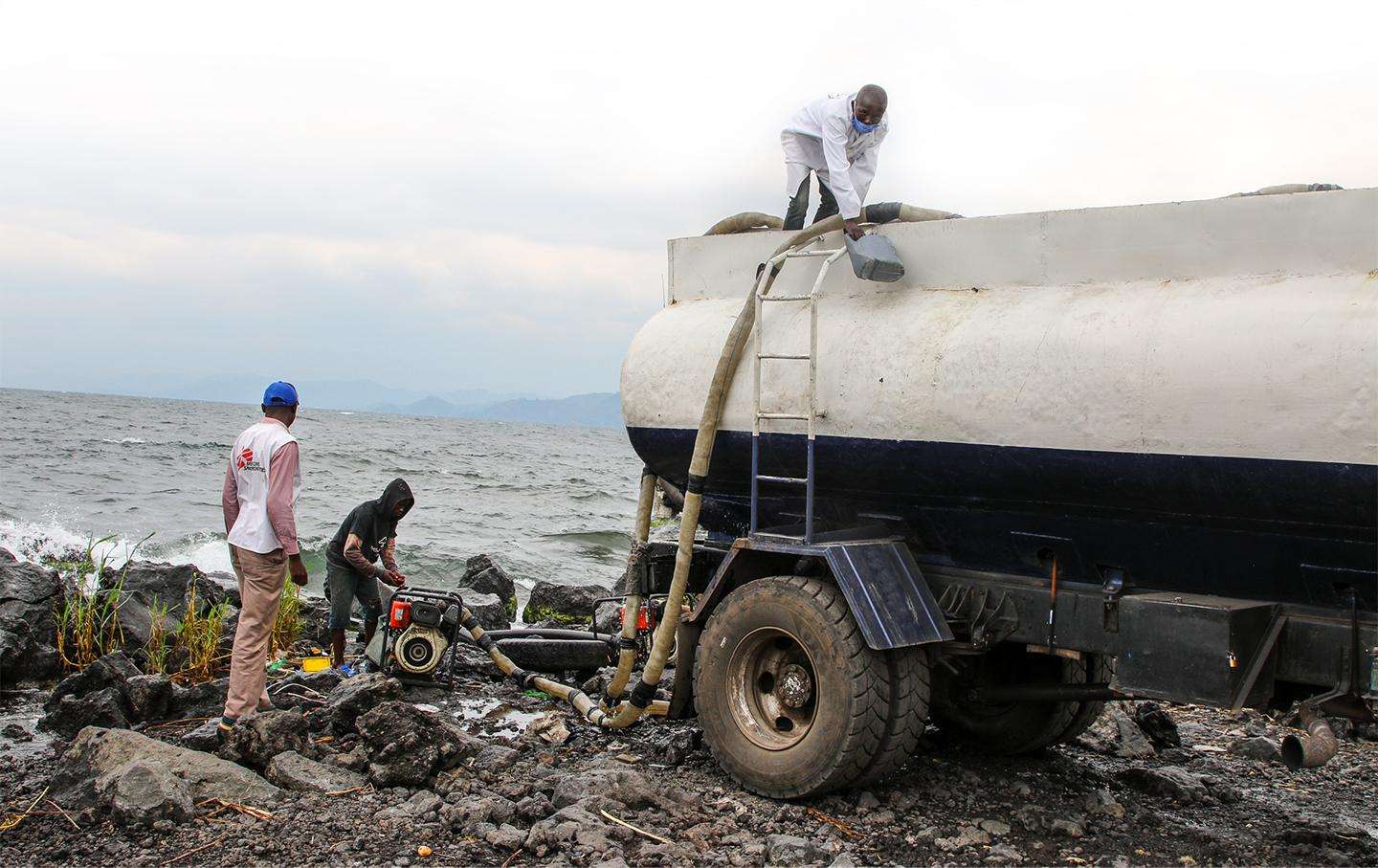
Support our work where it’s needed most.
Your unrestricted gifts enable us to provide lifesaving medical humanitarian care on the ground and speak out about what we see.